
In plain terms, pet surgery applies surgery, a branch of medicine concerned with diseases and conditions requiring or amenable to operative or manual procedures, to dogs and cats. Veterinarians perform this work, and Wikipedia notes that the procedures fall into three broad categories: orthopedics, soft tissue surgery, and neurosurgery. Knowing which category your pet’s problem fits gives you clearer questions to ask and helps you act while your veterinarian can still plan a procedure on a calm schedule.
Pet Surgery
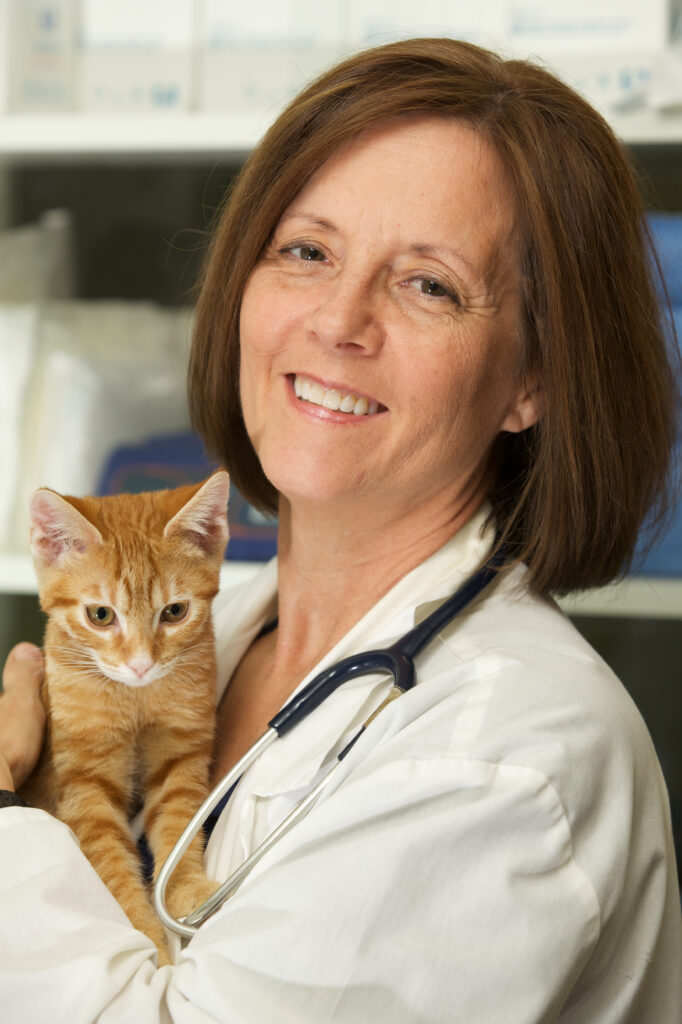
Meet Dr. Diana Jones, DVM: Board-Certified Veterinary Surgeon
Dr. Diana Jones focuses on emergency and referral surgery for dogs and cats, and she leads our team at PetSurg & ER4Pets. She earned her DVM from the University of Georgia in 1986, then completed a three-year residency in surgery at the University of Saskatchewan. That training also brought her a Master’s degree and the Outstanding Resident Award. Her published arthroscopy research showed that joint lining can heal. She served as Assistant Professor and Chief of Service at Mississippi State University from 1991 to 1995. In 1994, she earned ACVS Board Certification, a credential that requires at least a one-year internship, a three-year residency, published research, and a demanding exam. She added a Master’s in Education from San Diego State University in 1997. She opened our practice in 2010. We’re independently owned, so surgical decisions rest on what’s right for your pet.
Conditions, Symptoms, and Pain That Require Veterinary Surgery
Surgery takes over when medication, rest, or supportive care can no longer fix the underlying problem.
Deep cuts call for laceration repair or wound and reconstructive surgery, while an ear hematoma, cherry eye, entropion, or a badly damaged eye needing enucleation worsens until it’s corrected. Abdominal surgery handles hernia and body wall reconstruction, genital surgery, and an emergency C-section, where delay inside the body is harder to reverse. Knee problems are common too, and a 2024 review in the Journal of Advanced Veterinary and Animal Research cites earlier prevalence figures ranging from 1.2% to 2.6% for cranial cruciate ligament disorders in dogs.
Recognizing the Problem
Early signs of a surgical problem can look ordinary. A skipped meal or a stiff walk is easy to read as a passing bug. Signs that repeat or worsen deserve a closer look. Each condition here follows its own pattern.
A gastrointestinal foreign body, such as a swallowed sock, toy, or corncob, tends to unfold in stages:
- Your pet seems uneasy or turns down food for a day.
- Vomiting begins and keeps coming back.
- The belly feels sore when you touch it.
- The blockage becomes complete, and your pet may need an enterotomy to open the intestine and remove the object.
The outlook after surgery is encouraging. In a Canadian Journal of Veterinary Research review of dogs and cats treated surgically from 2010 to 2020 for chronic intestinal foreign body blockage, 94% of patients survived to follow-up.
Pyometra, an infection of the uterus in unspayed females, builds more slowly and shows up through changes like these:
- Low energy and more time spent sleeping
- Drinking much more water than usual
- A belly that looks swollen
- Discharge from the vulva in some dogs
Left untreated, the infection can spread into the bloodstream and cause sepsis. Treatment usually means surgery to remove the infected uterus and ovaries.
Flat-faced breeds such as pugs and bulldogs often snore and breathe noisily, and owners may accept that as normal for the breed. Breathing that grows harder over months, or that leaves your pet worn out after mild play, signals that brachycephalic surgery may be worth discussing. The procedure opens narrow nostrils or trims excess tissue in the airway so air moves more easily.
Bloat moves fastest of all. A dog that ate dinner normally can decline within hours as the stomach fills with gas and twists on itself. Restless pacing, a tight belly, and retching that brings nothing up are the classic signs. Bloat and GDV surgery untwists the stomach and secures it in place.
When should you seek a professional?
Seek a surgical evaluation promptly when a problem can turn critical within hours or days. These situations fit that description:
- A dog that starts limping after a sudden twist or leap, since a torn knee ligament leaves the joint unstable and invites arthritis.
- A cat with repeated urinary blockages, where perineal urethrostomy widens the opening so urine can pass freely.
- Fracture repair for a broken bone, since results depend on how quickly your veterinarian stabilizes and assesses the limb.
- Sudden weakness from a bleeding splenic mass, where splenectomy decisions arise without warning and speed affects survival.
- A limb too badly damaged to repair, where amputation can give your pet the best quality of life.
In a 2025 Animals study of dogs treated for GDV at one veterinary teaching hospital, the authors stressed that timely diagnosis and treatment are crucial for prognosis.
A blocked male cat may strain in the litter box, cry, or lick his genital area. A full blockage turns into an emergency within hours.
A surgical evaluation starts with a physical exam. We run bloodwork, urinalysis, and X-rays in-house, with results within one hour. Ultrasound adds detail when X-rays leave questions open. We also share findings with your regular veterinarian so both practices work from the same information. Before you leave home, jot down when signs began and what your pet ate, since that timeline helps the surgeon read the situation fast.
Slower problems carry a deadline too, because tissue damage keeps building and the eventual procedure grows more involved. Cystotomy removes bladder stones that won’t pass or dissolve on their own. Total ear canal ablation and bulla osteotomy becomes the right step when long-term ear disease has damaged the canal past the point of medical care. FHO surgery removes the top of the thigh bone when the hip joint has failed, and the body forms a scar-tissue joint in its place.
Prevention and Hygiene Education
Routine care lowers the odds of several conditions that end in surgery. Spaying is one of the most direct steps for female pets.
The American Veterinary Medical Association notes that spaying female dogs and cats can prevent uterine infection and reduce the risk of breast cancer.
That uterine infection is pyometra, and a lower breast cancer risk means a lower chance of needing a mammectomy later in life. Spay and neuter timing varies by breed and size, so ask your veterinarian which age fits your pet.
Beyond spaying, five everyday habits address common routes into surgery for dogs and cats:
- Weight control: Extra pounds add strain to the knees with every step, raising the chance of a ligament tear that needs surgical stabilization.
- Wellness exams: Your veterinarian’s hands can find lumps while they’re small, which keeps mass and tumor removal simpler and gives cancer surgery a better starting point.
- Supervision at home: Socks, hair ties, string, and chew toys that break apart belong out of reach, and walks go better when you watch what your pet picks up.
- Safe outdoor habits: A leash near roads and a secure gate lower the risk of chest injuries that can lead to thoracic surgery.
- Prompt checks for small problems: A mild limp or frequent head shaking that gets looked at early can sometimes be managed before it needs an operation.
Between visits, run your hands over your pet’s body during grooming or petting. Note any new lump, roughly how big it is, and where it sits. Mention it at the next exam.
Prevention has limits. Some problems, like a sudden bloat episode or a car accident, strike without warning.
Speak to a Professional!
Popular Home Remedies
A limping dog, a swollen ear, a cat that won’t eat, or a pet straining to urinate can send you searching for a home fix before you call anyone. The ideas that circulate most widely online and among friends fall into a few familiar groups:
- Warm or cold compresses on a swollen ear, leg, or lump
- Crate rest and short leash walks for a limp
- Bland meals of boiled chicken and rice, or canned pumpkin for fiber, during stomach upset
- Over-the-counter pain pills from the family medicine cabinet
- Herbal anti-inflammatory products sold online
- Apple cider vinegar rinses on skin wounds
- Hydrogen peroxide or full-strength iodine poured on cuts
- Diet switches meant to dissolve bladder stones at home
Each of these has an appeal. They’re cheap, and they’re available tonight. Compresses promise less swelling, and bland food promises a calmer stomach. Online forums and social media groups add stories of pets that recovered after a home remedy, which makes the method feel proven. Advice from a breeder or longtime pet owner also carries weight, especially late at night.
Reading up before a visit can help you describe symptoms clearly and ask sharper questions. Write down what you tried and when, since that history helps whoever examines your pet. Bring any product labels along, too.
A 2011 industry study cited in the Journal of the Medical Library Association found that 15% of pet owners reported relying less on their veterinarians once they could look up pet health information online.
What the Research Says
Research indicates that a home remedy’s value depends on what’s actually wrong with your pet.
Pain pills made for people carry the clearest risk. A 2022 Journal of Veterinary Internal Medicine study of 434 dogs with NSAID poisoning names these drugs among the most commonly reported poisonings in dogs. Ibuprofen and naproxen harm dogs and cats at doses far below a human dose, and signs include stomach upset and, in severe cases, kidney injury.
Other remedies have real value for mild problems, and each one also has a clear limit:
- Compresses can ease mild soreness, yet they can’t drain a blood-filled ear flap, and they may hide swelling from internal bleeding.
- Crate rest helps a strained muscle heal, while a torn knee ligament stays torn and the joint keeps wearing down.
- A bland diet or pumpkin can settle mild stomach upset, though neither can move an object stuck in the intestine.
- Herbal products vary in contents and dose between brands, and none can repair a structural problem.
- Home diet changes for bladder stones skip the urine testing that identifies which stone type is present.
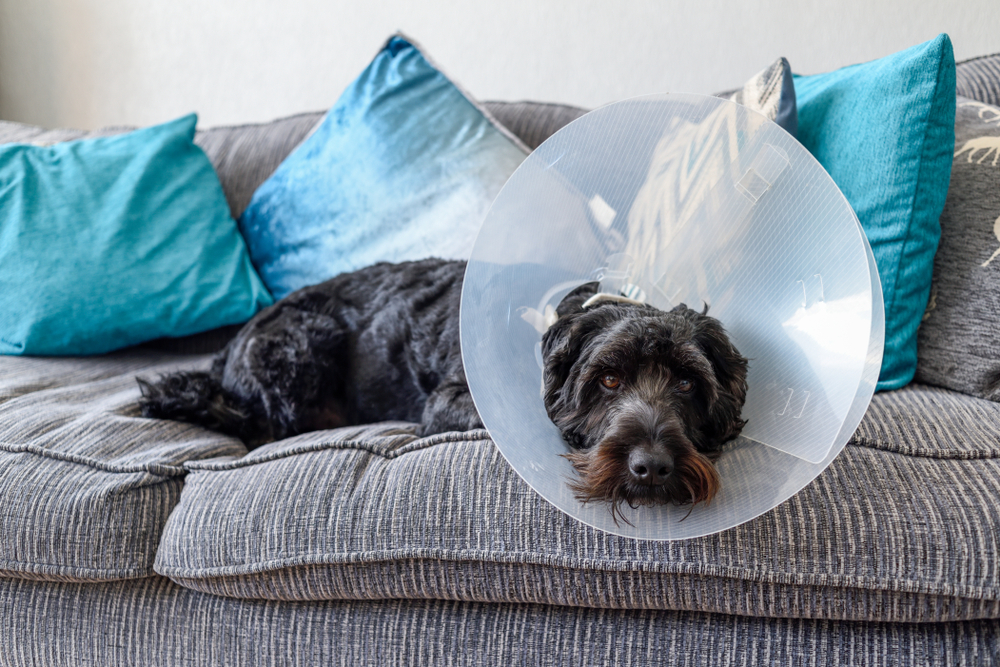
Wound care deserves its own note. Saline or clean water flushes a minor scrape safely, while undiluted hydrogen peroxide, full-strength iodine, and vinegar damage healthy tissue and slow healing. Licking also reopens wounds, so a cone protects the healing area.
Timing matters most for GDV, pyometra, and intestinal blockage, where every hour on home care is an hour the problem keeps advancing. A delay of even a day can change what the surgeon finds and how involved the operation becomes.
After surgery, home care takes over, guided by your veterinarian’s written plan for rest, medication, and incision checks. Tell your veterinarian if the incision swells, leaks, or reopens.
Cost and Insurance
Surgical costs depend on the procedure, your pet’s condition, and the level of care, and pet insurance and payment planning can spread that expense into manageable pieces. Checking industry averages and your policy ahead of time helps you decide quickly when an emergency hits.
Industry Average Pricing
Price tracks what the procedure involves and how sick your pet is when it begins. Procedures tend to fall into rough tiers:
- Lower range: soft tissue work such as laceration repair or draining and closing an ear hematoma
- Higher range: orthopedic work such as knee ligament repair or fracture repair
- Higher range: emergency abdominal procedures such as bloat and GDV surgery
Several drivers push the total up or down, even for two pets having the same procedure:
- Pre-surgical tests, such as bloodwork and imaging
- Anesthesia and the monitoring time it requires
- The surgeon’s training and the equipment the procedure needs
- Your pet’s size, since larger patients need more anesthetic drugs and supplies
- Hospital stays and overnight nursing
- Pain medication, bandage changes, and recheck visits
- Emergency timing, since after-hours cases need more team members on hand
One consumer cost guide, citing 2024 national data, reports that cats pay an average of $1,260 for foreign body removal. That guide comes from MoneyGeek, a consumer finance site drawing on CareCredit figures. Your pet’s total can land above or below that figure, depending on how long the blockage lasted and whether complications arise.
We provide an estimate before a procedure begins. An itemized version shows which drivers apply to your pet’s case and lets you compare like with like. Two estimates for the same surgery can differ when one includes overnight care and the other leaves it out.
These figures are industry averages from published sources, and they don’t reflect pricing at our practice. Contact us to verify exact plans and rates for your pet’s procedure.
Common Insurance Providers
Pet insurance plans in the U.S. can cover surgery for accidents and illnesses, depending on the policy type.
The North American Pet Health Insurance Association, the industry’s trade group, advises owners to purchase pet insurance from a NAPHIA Member. Its published U.S. roster includes these carriers:
- ASPCA Pet Health Insurance
- Embrace Pet Insurance
- FIGO Pet Insurance
- Healthy Paws Pet Insurance & Foundation
- Lemonade
- MetLife Pet Insurance
- Nationwide
- Pets Best
- Spot Pet Insurance
This is a general industry list and isn’t guaranteed to reflect the providers accepted at PetSurg & ER4Pets.
Policy terms shape what you’ll get back after a procedure. Wellness add-ons for routine care, where a policy offers them, sit apart from the accident and illness coverage that pays toward surgery. Compare these details before you buy:
- Accident-only coverage versus accident-and-illness coverage
- Waiting periods before coverage starts, which can run longer for knee and hip conditions
- Exclusions for pre-existing conditions
- Your deductible, reimbursement percentage, and annual limit
- Coverage for exams, diagnostics, and hospital stays
A reimbursement policy works in two steps. You pay the bill at the time of care, then file a claim with your insurer for repayment under your plan’s terms. Insurers may ask for your pet’s medical records with a claim, so keep copies handy. Ask your insurer if it offers direct payment to the hospital. Read the sample policy too, and check how the insurer defines a pre-existing condition, since a limp noted at a past exam can count against later knee claims.
Contact us to verify your coverage and confirm which plans we work with before your pet’s appointment.
FAQs
What is the difference between TPLO surgery and other cruciate ligament (ACL) repair options for dogs?
TPLO reshapes the top of the shinbone so your dog’s own weight steadies the knee without the torn ligament. Extracapsular repair uses a strong suture outside the joint to do the ligament’s job and often suits lighter dogs.
How does anesthesia monitoring protect my pet during surgery?
We track your pet’s heart rate, blood pressure, oxygen level, breathing, and temperature throughout anesthesia and into recovery. Those readings let us adjust drugs, fluids, or breathing support the moment something changes.
How quickly does a dog with a splenic mass need splenectomy?
A bleeding splenic mass is an emergency and needs surgery right away, sometimes after fluids or a blood transfusion to stabilize your dog. If it hasn’t ruptured, imaging and your dog’s condition guide the timing.
Can bladder stones in cats be managed without cystotomy?
Some stone types dissolve on a prescription diet. Stones that are too large to pass, that block urine flow, or that won’t dissolve usually need surgical removal, and imaging plus urinalysis show which path fits your cat.
When is anal sac removal recommended over repeated expressing?
Removal is usually considered when impactions, infections, or abscesses keep returning despite medical care and regular expressing by your veterinarian. It’s also part of treatment when a tumor turns up in the anal sac.
