
Before surgery begins, pet anesthesia and monitoring come first, and Merriam-Webster defines anesthesia as loss of sensation with or without loss of consciousness, so your pet stays still and feels no pain. According to Wikipedia, veterinary anesthesia became a specialty of its own when the American College of Veterinary Anesthesia and Analgesia was recognized by the AVMA in 1975. If your pet faces an emergency or a planned surgery, knowing what monitoring tracks helps you ask sharper questions before the procedure begins.
Pet Anesthesia and Monitoring
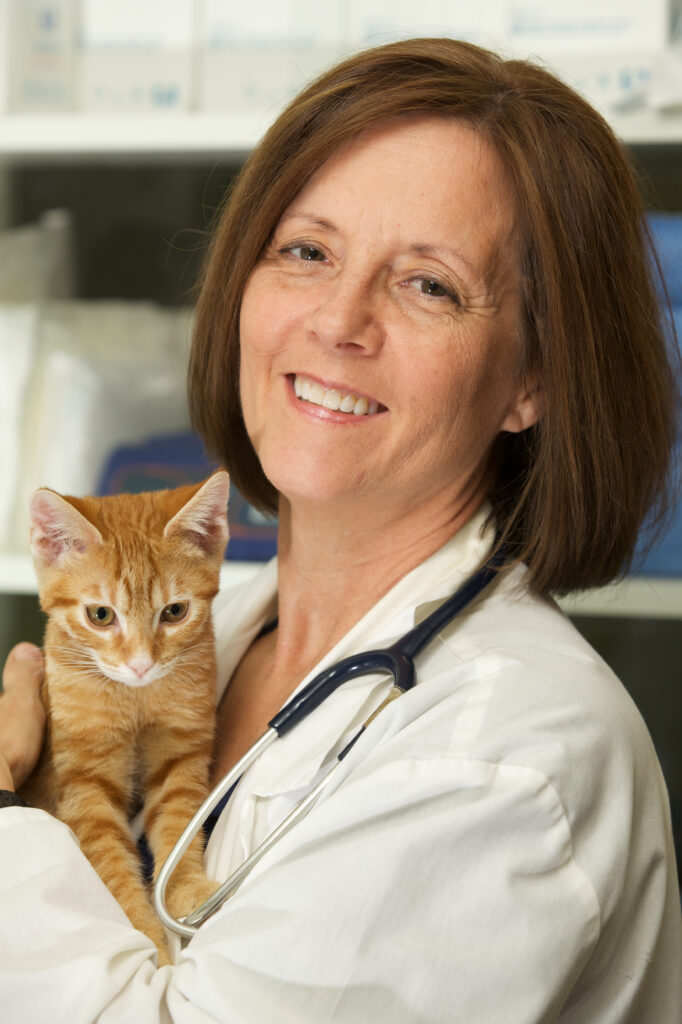
Meet Dr. Diana Jones
Dr. Diana Jones is the founder and lead surgeon of PetSurg & ER4Pets, which she opened in 2010 to bring board-certified surgical care to patients across San Diego County. She sees pets who arrive through emergency visits and through referrals from primary care veterinarians. She earned her DVM from the University of Georgia in 1986, then completed a Master’s Degree at the University of Saskatchewan, where she received the Outstanding Resident Award. Dr. Jones achieved board certification through the American College of Veterinary Surgeons in 1994, a credential that requires a formal internship, a three-year residency, published research, and an examination. She served as Assistant Professor and Chief of Service at Mississippi State University from 1991 to 1995. In 1997, she earned a Master’s in Education from San Diego State University, and she has published research on arthroscopy.
Conditions, Symptoms, and Pain Requiring Veterinary Anesthesia Monitoring
Anesthesia keeps your pet still and pain-free for procedures such as a planned TPLO knee repair or emergency surgery for a gastrointestinal obstruction. Trauma, internal bleeding, bladder obstructions, pyometra, and bloat also call for pet surgery under anesthesia, because their pain is too severe to manage while the patient is awake.
Anesthetic drugs affect the heart and lungs at once, and those effects shift during a procedure, so our monitoring tracks several readings in real time. Fatal complications under anesthesia are rare but do occur: the UK-based CEPSAF study found the overall risk of death was 0.17% in dogs.
Recognizing the Problem: Signs Your Pet May Need Anesthesia-Assisted Care
You’re usually the first person to notice the signs that lead to anesthesia-assisted care, and they often look small at first. A dog that’s restless and hunching its back may be in early GDV, where the stomach swells with gas and can twist. A cat straining in the litter box without producing urine may have a urethral obstruction.
Check for these signs at home:
- Labored breathing: breathing difficulties can show up as flared nostrils, a belly that pushes hard with each breath, or open-mouth breathing in a cat.
- Pale gums: lift your pet’s upper lip in good light. Healthy gums look pink, and gray, white, or bluish gums point to poor circulation or low oxygen.
- Sudden collapse: a pet that drops, can’t rise, or seems confused needs an exam, even if it bounces back within minutes.
- Rigid abdomen: a belly that feels hard and swollen, or a pet that cries when you touch its side, signals pain inside the abdomen.
- Guarding: a pet that holds up a leg, refuses to jump, or snaps when touched may be protecting an injury.
Cats tend to hide illness well. A cat that stops grooming or spends the day hiding under a bed deserves a closer look.
Any of these signs can mean your pet’s body is under serious stress. In that state, we may start oxygen therapy or fluid therapy before surgery can begin, since a steadier heart and better oxygen levels make anesthesia safer. Each sign you catch gives us more time to plan.
Some problems give no outward sign at all. In a 2007 study of senior dogs published in the Journal of the South African Veterinary Association, pre-anesthetic screening found that sub-clinical disease could be present in nearly 30% of them.
When should you seek a professional?
For most acute symptoms, the right time is sooner than feels necessary.
Acute problems can change quickly, and a pet that looked uncomfortable at dinner may be unstable by midnight. Should you wait until your regular vet opens? Our 24/7 onsite veterinarian can start the evaluation tonight, and what we learn now shapes the anesthetic plan later.
When you arrive, our veterinarian checks your pet’s heart rate, breathing, gum color, and temperature, then decides which tests come first. Bring any recent records from your regular veterinarian, since earlier lab values help show what’s new.
Same-day bloodwork and same-day urinalysis can reveal:
- Kidney impairment, seen in blood values and in how concentrated the urine is
- Liver dysfunction, flagged by changes in liver enzyme levels
- Anemia, a low red blood cell count that limits how much oxygen the blood carries
- Clotting problems, which matter for any procedure that involves an incision
Any one of these findings can change the anesthetic protocol, including drug selection and fluid support during surgery. Same-day results let us decide on surgery with you during a single visit.
Timing also depends on your pet’s history. Pets with a chronic illness or a long list of daily medications benefit from earlier evaluation, because each factor adds a step to the plan. For a planned surgery, testing happens ahead of the procedure date, and in an emergency, it happens while we stabilize your pet.
The AVMA notes that in a life-threatening emergency, the danger from anesthesia itself is usually minimal compared to the risks of skipping the procedure.
Anesthesia Safety for Pets: Pre-Procedure Preparation and Care
Your pet’s anesthetic safety largely depends on work done before the first drug reaches a vein.
Per the 2020 AAHA Anesthesia and Monitoring Guidelines, A thorough physical examination should be completed and documented within 12 to 24 hours before anesthesia, then repeated right before the procedure if your pet’s condition changes suddenly. A pet that seemed fine yesterday may need a different plan today.
Why repeat an exam the same morning? Heart rate, temperature, hydration, and appetite can shift overnight. That shift happens faster in a pet that’s already unwell.
Preparation follows a set order:
- Physical exam: we listen to the heart and lungs, check hydration, and look for anything new since the last visit.
- Bloodwork: results help identify conditions that could make standard protocols unsafe.
- Imaging when needed: X-rays or ultrasound check the chest or abdomen when the exam raises a question, such as fluid around the lungs that could affect breathing under anesthesia.
- Recovery plan: before surgery starts, we decide where your pet will recover and how closely we’ll watch.
That fourth step matters because the perioperative period, meaning the stretch before, during, and right after the procedure, is when anesthetic complications tend to arise. Patients who need intensive and critical care, hospitalization, or inpatient and overnight care after surgery keep their monitoring plan into recovery. The monitors stay on as the drugs wear off.
You can help prevent surprises on procedure day:
- List every prescription your pet takes, including flea and heartworm preventives
- List supplements and joint products, even ones bought over the counter
- Tell us about any past reaction to sedation or anesthesia
- Mention new changes, such as coughing, vomiting, diarrhea, or low energy, even if they started this morning
Those details let us adjust drug choices before your pet is asleep, when changes are simplest to make.
Speak to a Professional!
Popular Home Remedies and What Pet Owners Try Before Seeking Help
Pet owners dealing with a sick or painful animal sometimes try to buy time before a veterinary visit, especially late at night. Advice spreads quickly through pet groups and social feeds, often from someone whose pet recovered.
These at-home steps circulate in online forums and between neighbors:
- Withholding food from a dog with a painful belly, hoping the stomach settles
- Offering water in small sips so the pet stays hydrated without vomiting
- Giving simethicone, a gas-relief medicine, to a dog that looks bloated
- Setting a cat on a heating pad to ease apparent discomfort
- Switching to a bland or different diet to calm digestion
- Cutting back activity for a pet with suspected heart disease and watching at home
- Reaching into the family medicine cabinet for a human pain reliever
These steps cost little, and you can try them at any hour. Human pain relievers deserve special caution: in the ASPCA Animal Poison Control Center’s annual toxin report, Topping the list in 2018 were human over-the-counter medications such as ibuprofen and naproxen.
Home steps also make the next exam harder to read. A pet given a pain reliever may hide the very pain a veterinarian uses to locate a problem. A new diet can also blur changes in appetite.
Time adds a second concern.
When the underlying condition requires anesthesia to treat, every hour of delay affects how stable the patient is on arrival. A less stable patient needs more emergency care before surgery can safely start, including steps that an earlier visit might have avoided.
What the Research Says About Anesthetic Monitoring Protocols
Kidney and liver function and airway shape both change an anesthetic plan, and home care can’t reveal either one. The kidneys and liver break down and clear the drugs used during sedation, so disease in either organ can leave those drugs active longer.
Breed anatomy matters too. Research indicates that flat-faced dogs showed higher crude mortality than non-brachycephalics under anesthesia in a 2025 multicenter analysis published in Animals. The gap narrowed once the researchers factored in each dog’s health status.
Airway management and monitoring for brachycephalic surgery, which involves breeds with shortened airways such as bulldogs and pugs, follow adjusted protocols. Delaying professional evaluation in favor of home management can let these conditions stay hidden until the patient is already under anesthesia, when intervention becomes harder.
Withholding food gives an upset stomach a rest, and it means the stomach is already empty if sedation becomes necessary. Small sips of water can keep a mildly ill pet from drying out. A pet that vomits even small sips has moved past what home care can handle and needs IV fluids.
Simethicone breaks up gas bubbles in the gut, which can relieve simple gas. It can’t untwist a stomach, and a twisted stomach needs surgery under anesthesia.
A heating pad can comfort a cat, though a sick cat may lie still long enough to get burned. Diet changes can help over weeks under a veterinarian’s guidance, while sudden switches can upset the stomach. Rest is a sensible step for a pet with suspected heart disease. Rest alone can’t reveal which type of heart disease is present, and the type shapes which anesthetic drugs are safe.
Human pain relievers can irritate a pet’s stomach and kidneys.
Perioperative Monitoring in Veterinary Care: Cost and Insurance
Surgical estimates typically include anesthetic monitoring in the procedure total, so the industry figures you’ll see already account for it. For cases like bloat and GDV surgery, the level of monitoring involved is part of what determines whether a patient comes through safely.
Industry Average Pricing for Veterinary Anesthesia Procedures
Anesthesia costs vary with four main factors:
- Procedure type: a short procedure needs less drug and less monitoring time than a long orthopedic repair.
- Patient size: veterinarians calculate drug doses by body weight, so a large dog needs more medication than a small cat.
- Length of surgery: each added stretch under anesthesia adds drug doses and team time at the monitors.
- Monitoring equipment: the machines that watch your pet’s vital signs carry their own costs for supplies and upkeep.
As an industry average, MetLife Pet Insurance reported in 2024 that TPLO surgery could cost between $2,000 and $5,000 as a total procedure estimate.
A total like this combines several services, and anesthesia is one part of it. Fracture repair estimates vary with the bone involved. The hardware needed to hold the bone in place also affects the total. An emergency procedure includes the stabilizing care a patient needs before anesthesia, which can add to the cost.
Why do two estimates for the same surgery differ? Anesthesia plans vary in drug choice and recovery support. Regional costs and follow-up visits shift the final number too.
When you review an estimate, look for line items covering pre-anesthetic tests, anesthetic drugs, IV fluids, monitoring, and post-operative pain medication. These industry figures represent averages and do not reflect any one practice’s pricing.
Contact us directly to get accurate information about what to expect for your pet’s situation.
Common Pet Insurance Providers
Pet insurance plans that cover accidents and illnesses typically treat anesthesia as part of the covered surgery, which can reduce out-of-pocket costs for more involved procedures. Routine procedures like spay and neuter usually fall under optional wellness add-ons, so check which part of a policy applies.
The North American Pet Health Insurance Association, the industry’s trade group, keeps a directory for owners who want to purchase pet insurance from a NAPHIA Member, and its U.S. list includes these carriers:
- Nationwide
- Healthy Paws Pet Insurance & Foundation
- ASPCA Pet Health Insurance
- FIGO Pet Insurance
- Embrace Pet Insurance
- Pets Best
- Lemonade
This list reflects general industry availability and is not a guarantee of which providers any one practice accepts. A few policy terms decide how much a plan pays toward a procedure:
- Deductible: the amount you pay before coverage starts, set per year or per condition depending on the plan
- Reimbursement rate: the share of the covered bill the insurer returns after the deductible
- Annual limit: the most a plan pays in one policy year
- Waiting period: the stretch after enrollment before accident or illness coverage begins
- Pre-existing conditions: problems noted before enrollment, which plans typically exclude
Pet insurance typically works on reimbursement. You pay at discharge, then submit a claim with the invoice and medical records. For a planned surgery, a pre-approval request, sometimes called a predetermination, lets you ask the insurer ahead of time how it expects to handle the procedure.
Ask us to verify coverage options before your pet’s procedure.
FAQs
Does kidney or liver disease change my pet's anesthesia plan?
Often, yes. When bloodwork shows reduced kidney or liver function, we may choose different medications, lower doses, extra fluid support, and closer monitoring for your pet.
Why do blocked cats need anesthesia for treatment?
Relieving a urethral obstruction means passing a catheter through a swollen urethra, which a cat can’t tolerate awake. Sedation or anesthesia keeps your cat still and comfortable while we clear the blockage and look for the cause.
What does a veterinary team monitor during surgery?
During anesthesia, we track heart rate, respiratory rate, blood oxygen saturation, blood pressure, body temperature, and sedation depth. Together, those readings show us minute by minute how your pet is handling the drugs and the surgery.
How should I prepare my pet for anesthesia?
We’ll tell you when to stop food before the procedure, because an empty stomach lowers the risk of inhaling stomach contents under sedation. Pre-surgical bloodwork also confirms your pet’s organs are working within safe ranges.
What happens in the recovery period after anesthesia?
We keep watching your pet’s breathing and body temperature as the drugs wear off, since airway obstruction and a drop in temperature can happen during this stage. Expect grogginess and a smaller appetite the first day home.
